
Introduction: The Transition from Experimentation to Infrastructure
Remember when ChatGPT first took the world by storm? Back then, we were dazzled by simple text generation and basic image prompts. Cut to 2026, and the narrative has fundamentally changed [1.9]. We are no longer merely "using" AI as a side-assistant; we are working inside AI-driven systems [1.9]. In 2026, Artificial Intelligence has transitioned from a buzzy technology experiment to a resilient, invisible backbone of enterprise infrastructure and daily workflows [1.4, 1.9].
With global adoption reaching unprecedented heights—where nearly 88% of organizations have integrated AI into their operations [1.3, 1.7]—the question is no longer "Will AI change our work?" but rather "How deep does the integration go?" Let's dive into the major trends shaping the state of AI in 2026, backed by the latest industry data and market shifts.
1. The Decline of the 'Model Debate' and the Rise of AI Workflows
In previous years, tech Twitter and enterprise boards were obsessed with one question: Which model is the absolute best? In 2026, that debate has largely cooled down [1.5]. The gap between top-tier closed-source giants (like OpenAI and Anthropic) and robust open-weight alternatives has narrowed significantly [1.1, 1.3].
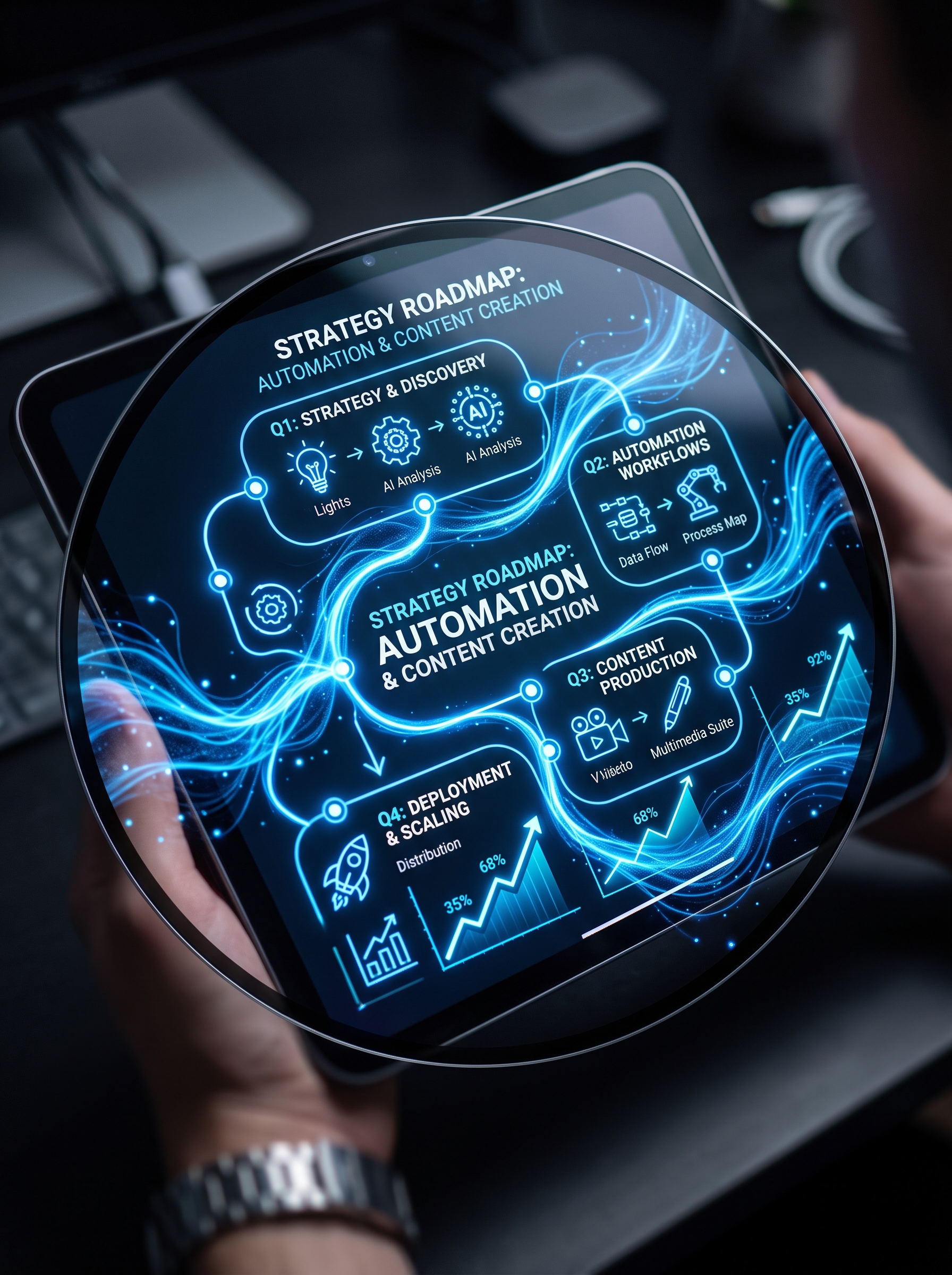
Instead of chasing the highest benchmark scores, the focus has shifted to Context Engineering and AI Workflows [1.5]. Rather than sending a single prompt to a raw model, organizations are building multi-step pipelines [1.5, 1.7]. These workflows orchestrate different micro-models for distinct tasks—using a fast, cheaper model for initial sorting and routing, and saving expensive "reasoning" models for complex decisions. In 2026, your file management and data context system matter far more than the specific model you use [1.5].
2. The Rise of Reasoning Models and RLVR
Generative AI has evolved from fast-talking statistical guessing to slow, deliberate, and structured thinking [1.1, 1.9]. Early language models would generate answers instantly, leading to hallucinations in math, coding, and logical tasks [1.1]. In 2026, the mainstreaming of Reasoning LLMs powered by Reinforcement Learning with Verbal Feedback (RLVR) has changed the game [1.1].
These advanced reasoning models split text generation into a distinct planning phase and execution phase [1.9]. They run internal test scripts, double-check logic, and fix errors before ever presenting an answer to the user [1.9]. This makes them highly effective for:
- Complex software engineering and debugging [1.1, 1.9].
- Scientific hypothesis generation and experimental design [1.2].
- Deep financial forecasting and strategic risk analysis [1.9].
3. From Chatbots to Agentic Collaborators
In 2026, we are witnessing the dawn of the agentic revolution [1.6]. AI agents are no longer just reacting to your commands; they are proactively executing tasks toward long-term goals [1.6]. Empowered by protocols like the Model Context Protocol (MCP), modern AI agents can interact directly with third-party software, databases, and digital tools [1.6, 1.9].
Rather than you manually asking a chatbot to summarize an email, write a response, and draft an invoice, a 2026 AI agent can monitor your inbox, cross-reference an ERP system, generate the draft, and queue it up for human approval [1.6]. These agentic workflows act less like productivity tools and more like highly capable digital co-workers [1.2].
4. Production-Grade Multimodality: Video and Audio Come of Age
Generative media has leaped far beyond quirky, unstable generation [1.9]. In 2026, AI video and audio models maintain exceptional temporal consistency, physics logic, and character persistence [1.9]. We are seeing these technologies leave the research phase and enter mainstream production lines [1.9].
- Hollywood Integration: Major streaming services and production studios are openly using generative AI tools to slash post-production times, generate complex visual effects, and optimize scene lighting [1.6].
- Dynamic Gaming Environments: In gaming, generative AI is powering emergent storylines and non-playable characters (NPCs) that hold real, context-aware conversations and adapt to players' unpredictable actions in real-time [1.6].
5. The Multi-Billion Dollar Reality: Big Tech’s Huge Bets
The financial scale of AI is staggering [1.3]. The era of generative AI has become the most heavily funded technological shift in history [1.3]. Tech giants and venture capitals have invested hundreds of billions of dollars to scale compute and secure infrastructure [1.3]. From OpenAI securing massive funding rounds with valuations soaring past $700 billion to AWS and Microsoft engaging in multi-billion dollar cloud deals, the infrastructure that powers these systems is receiving unprecedented capital injections [1.3].
Conclusion: The Inevitable Partner
As we navigate 2026, the transition is clear: AI is no longer a tool you turn on and off [1.9]. It has become a collaborative partner, a digital colleague, and a seamless infrastructure [1.2, 1.9]. For professionals and businesses, the competitive advantage no longer lies in being the first to try AI, but in masterfully designing the workflows that embed AI deeply, securely, and ethically into everyday life [1.5, 1.7, 1.10]. Welcome to the era of the autonomous, agentic enterprise [1.10].